
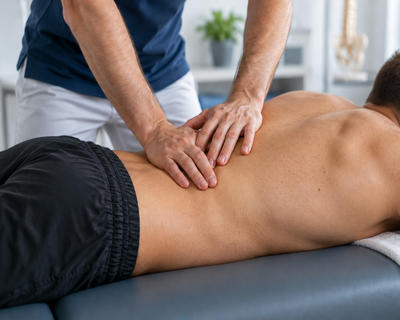
Massage Therapy in Mississauga

Massage therapy includes many different techniques. At Kingsbridge Physiotherapy Centre in Mississauga, massage therapy can help with back, neck and muscle pain. In general, therapists press, rub and otherwise work the muscles and other soft tissues of the body. They most often use their hands and fingers, but may also use their forearms, elbows or feet.
The term “massage therapy” covers many techniques, and the type of massage given usually depends on your needs and physical condition.
Types of Massage Therapy
- Massage therapy dates back thousands of years. References to massage appear in ancient writings from China, Japan, India and Egypt. In general, massage therapists work on muscle and other soft tissue to help you feel better.
- In Swedish massage, the therapist uses long strokes, kneading, deep circular movements, vibration and tapping.
- Sports massage combines techniques from Swedish massage and deep tissue massage to release chronic muscle tension. It’s adapted to the needs of athletes.
- Trigger point massage (myofascial trigger point therapy) focuses on trigger points, areas that are painful when pressed and are linked to pain elsewhere in the body
- Massage therapy is sometimes done using essential oils as a form of aromatherapy.
What the Research Says About Massage
A lot of the research on massage therapy is preliminary or mixed, but much of the evidence points toward beneficial effects on pain and other symptoms linked to a number of conditions. Much of the evidence suggests these effects are short-term and that people need ongoing massages for the benefits to continue.
Researchers have studied the effects of massage for many conditions. Some that have been studied more extensively include:
Massage for Pain
- A 2008 research review and a 2011 NCCIH-funded clinical trial concluded that massage may be useful for chronic low-back pain.
- Massage may help with chronic neck pain.
- Massage may help with pain due to osteoarthritis of the knee.
- Studies suggest that for women in labour, massage provided some pain relief and increased satisfaction with other forms of pain relief, but the evidence isn’t strong.
Massage for Fibromyalgia
A 2010 review concluded that massage therapy may help temporarily reduce pain, fatigue and other symptoms linked to fibromyalgia, but the evidence isn’t definitive. The authors noted that it’s important the massage therapist not cause pain.
Massage for Headaches
Clinical trials on the effects of massage for headaches are preliminary and only somewhat promising.
More to Consider
- Do not use massage therapy to replace conventional care, or to delay seeing a physiotherapist or doctor about a medical problem.
- If you have a medical condition and aren’t sure whether massage therapy is appropriate for you, discuss your concerns with your healthcare provider.
- Tell all your healthcare providers about any complementary and integrative health approaches you use. Give them a full picture of what you do to manage your health. This helps ensure coordinated and safe care.