Phase 1: Pain Relief
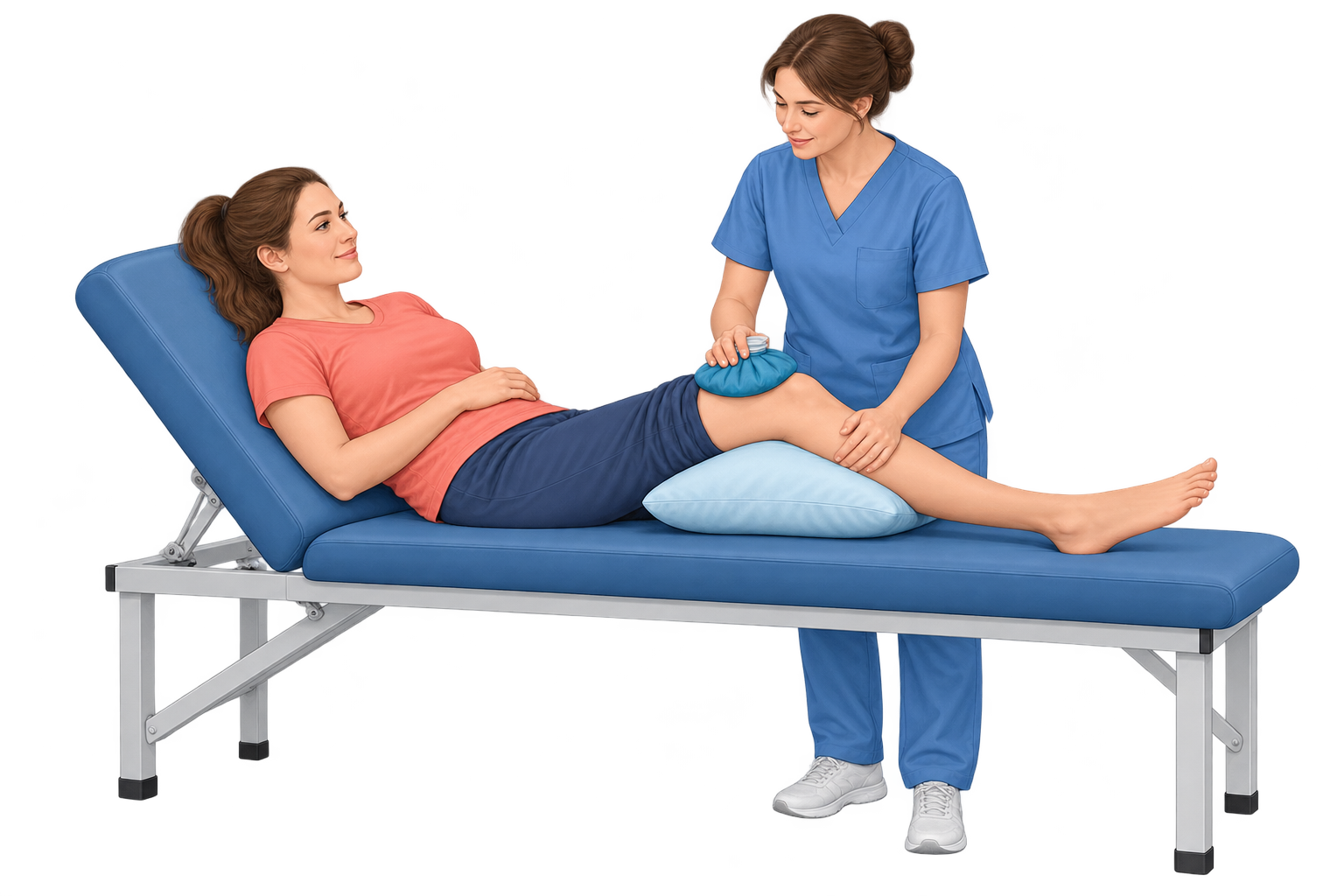
Reducing pain, swelling, and inflammation is the primary goal during this phase of recovery. Your treatment plan may include heat and ice therapy, cold laser therapy, and electrical stimulation to manage pain, reduce swelling, and support the body’s natural healing process. These treatments are combined with protection of the injured area, elevation, compression, appropriate medication, and patient education to improve comfort, promote tissue recovery, and help you return safely to your daily activities.
Phase 2: Introduce Movement
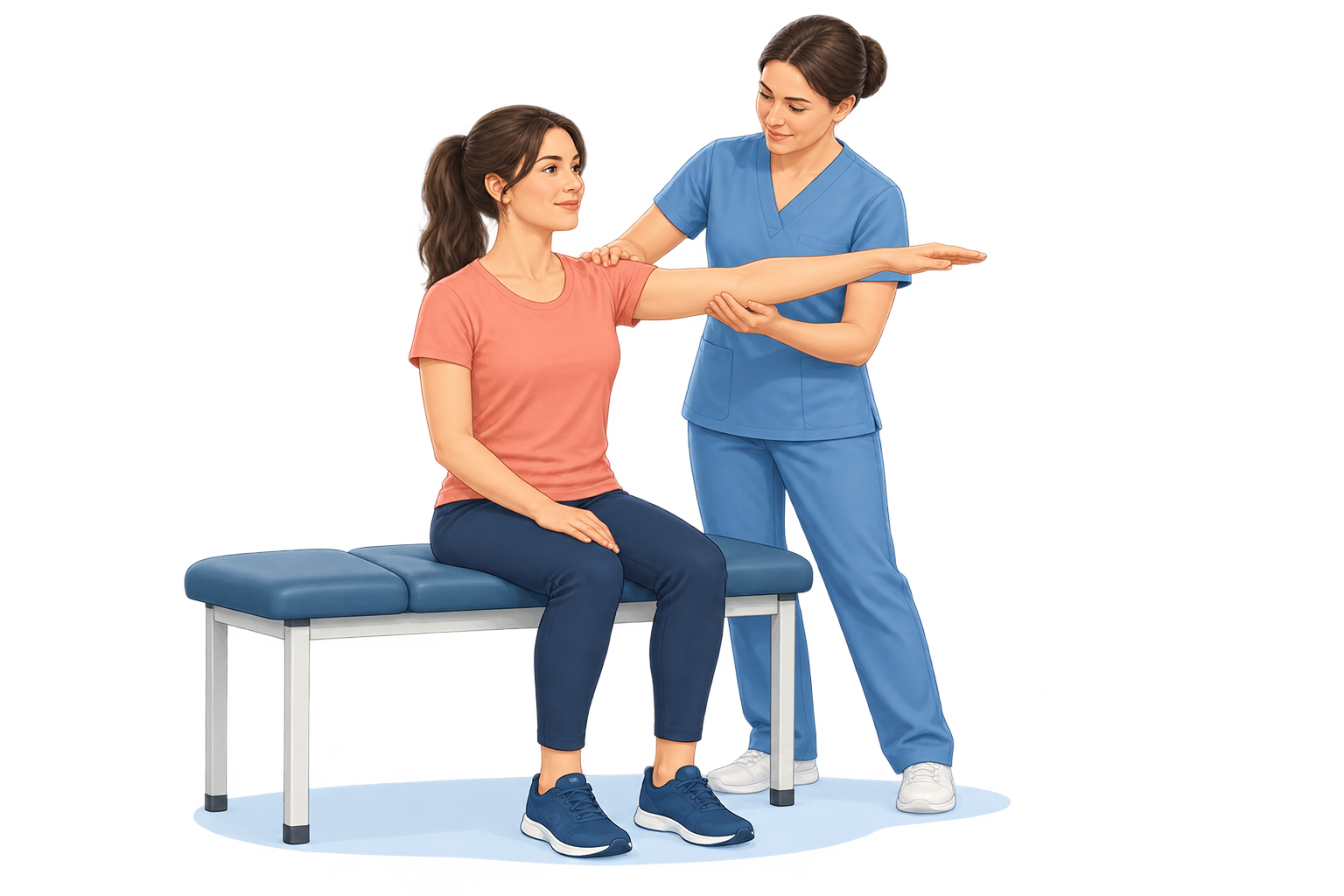
Pain-free passive movement, active range of motion and cardiorespiratory exercises are used in this phase, alongside hands-on manual therapy and joint mobilization and manipulation. Education about pain and encouraging a positive attitude may also help.
Phase 3: Strengthening
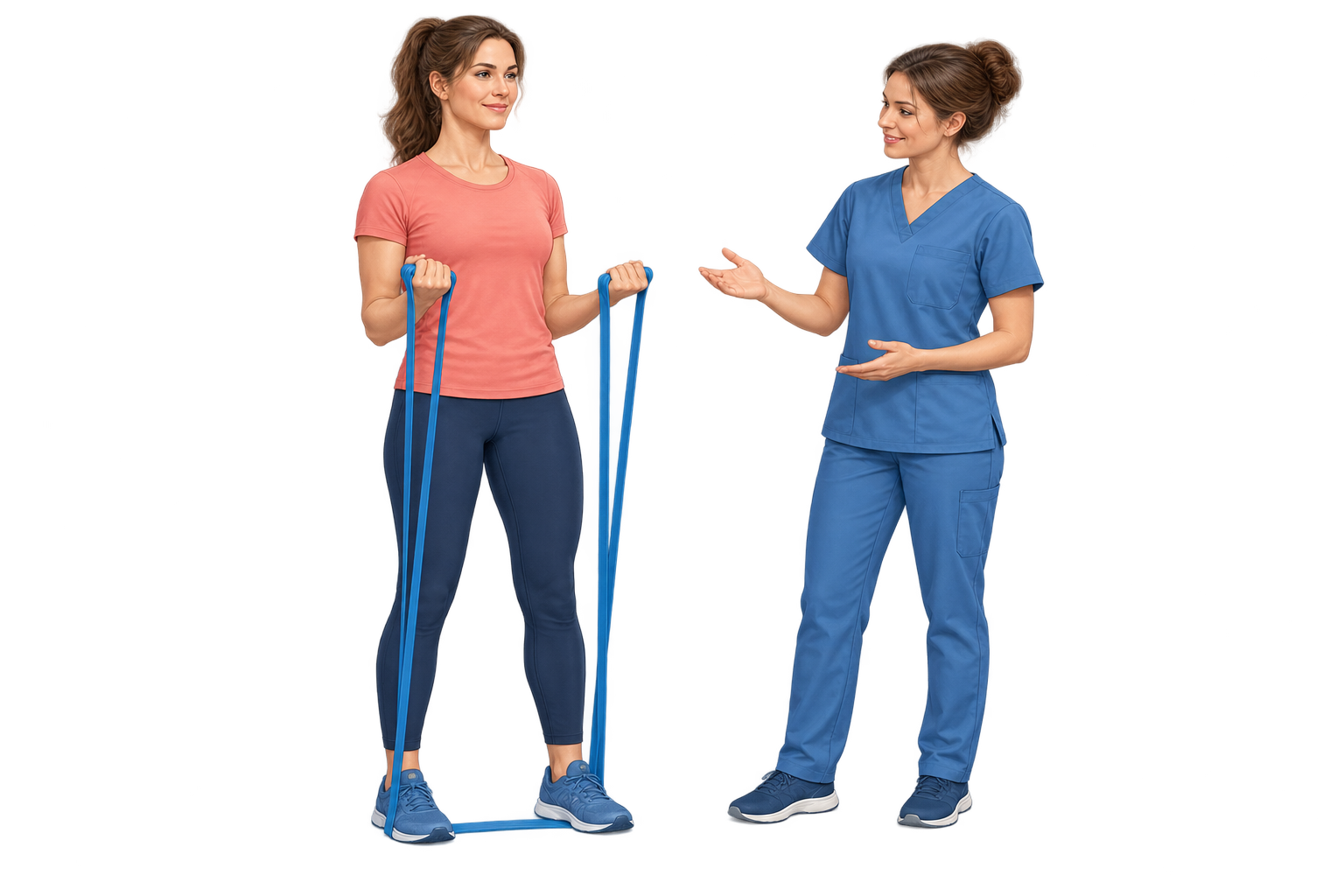
This phase includes progressive loading of the healing soft tissues, the reintroduction of low-stress neuromuscular re-education, balance training and basic functional activities, supported by therapeutic exercise and foundational strength and conditioning.
Phase 4: Functional Retraining
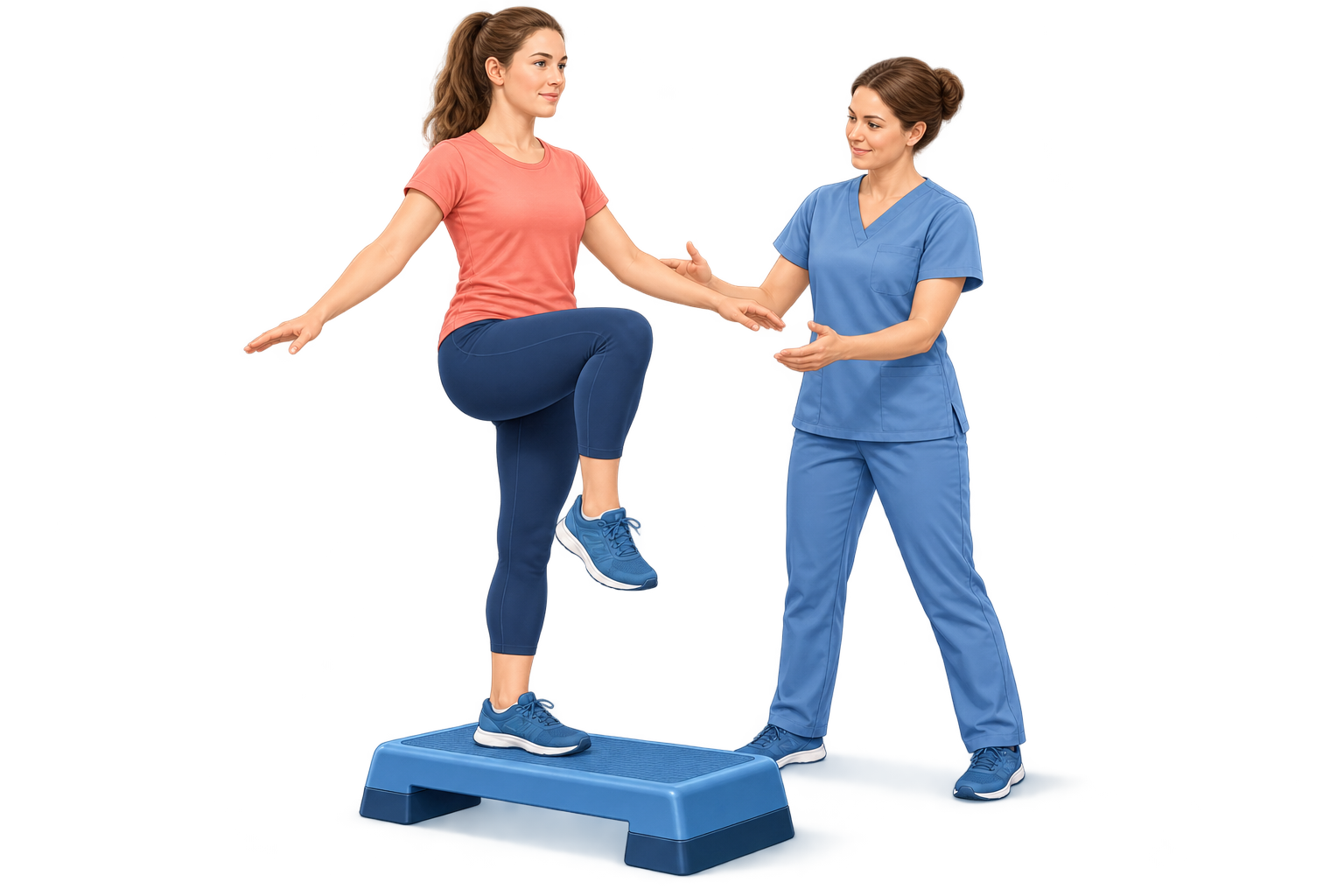
Phase 4 includes progressing strengthening exercises, improving flexibility and doing more advanced balance exercises, supported by dedicated Balance and Gait Training. Functional movements, such as sports movements, start to return during this phase.
Phase 5: Recovery & Prevention
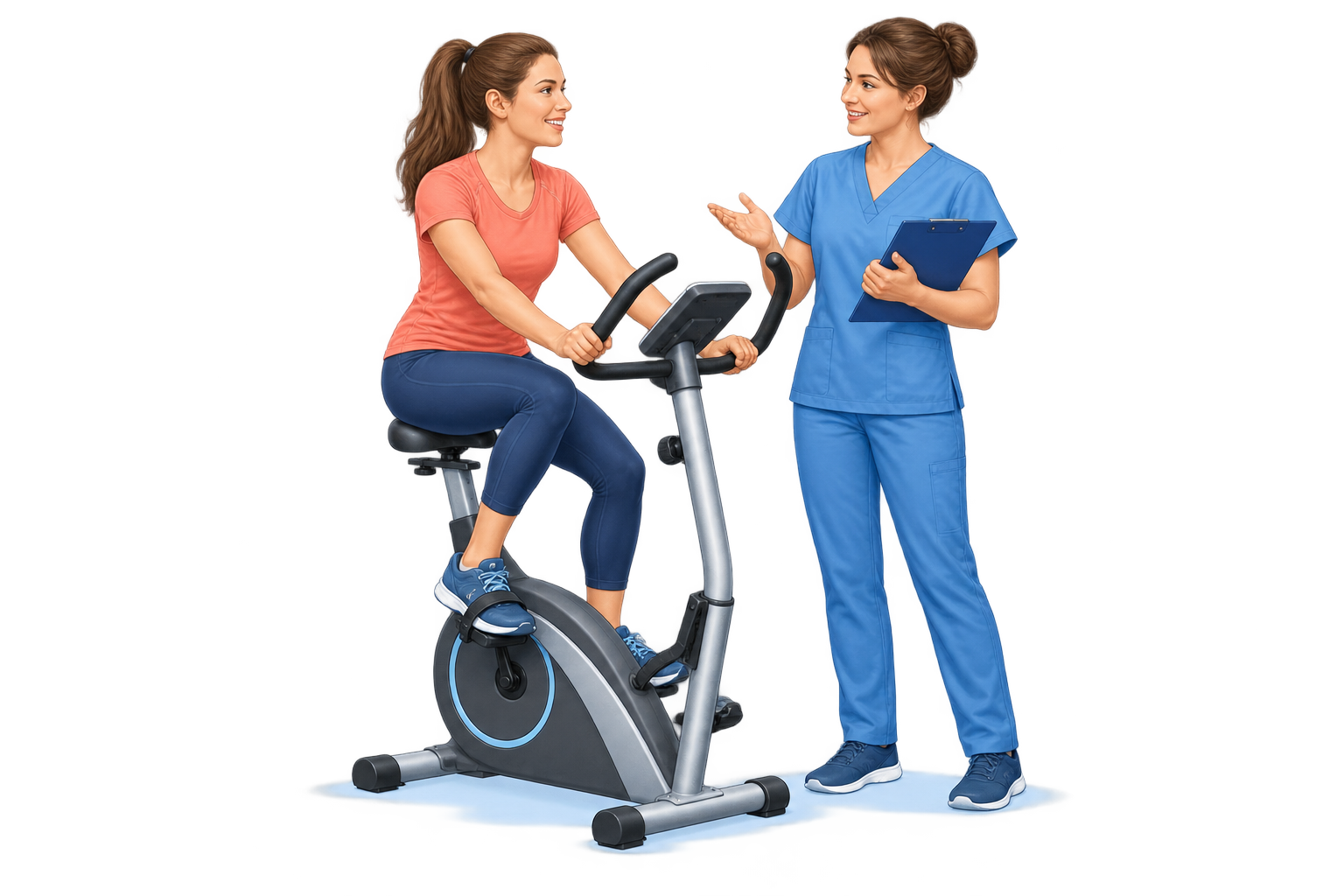
Functional movements continue to progress, and there is a controlled return to sports or more challenging environments. This phase also includes ongoing strengthening, flexibility, balance, endurance and goal-specific training, with a home exercise program to support progress between sessions. Education and future injury prevention are also discussed, along with fall prevention programs.